
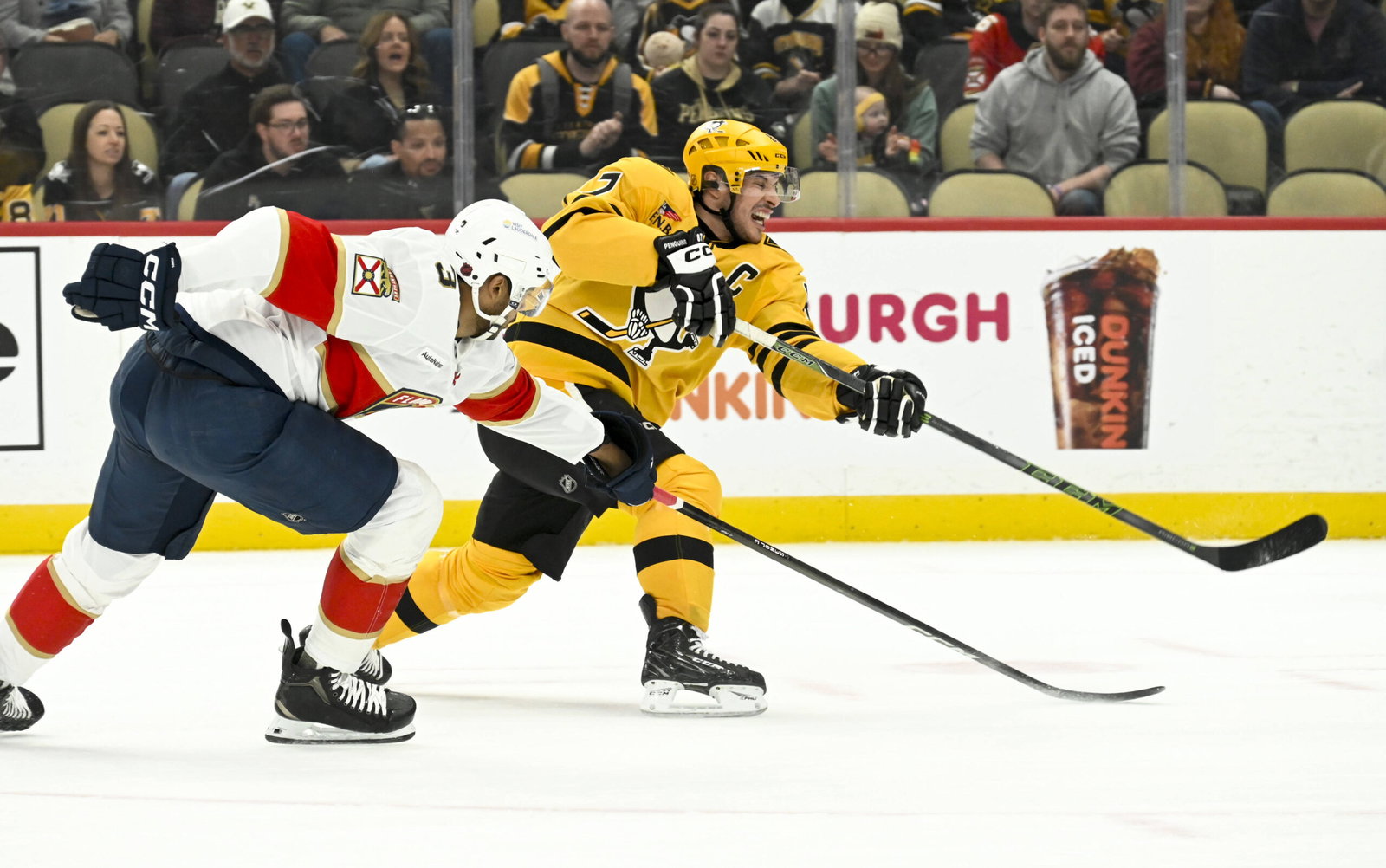
Pittsburgh Penguins center Sidney Crosby 87shoot and scores pass Florida Panthers defenseman Seth Jones 3 in the first period at PPG Paints Arena in Pittsburgh on Sunday, April 5, 2026. PUBLICATIONxNOTxINxUSA PIT2026040505 ARCHIExCARPENTER
Pittsburgh Penguins center Sidney Crosby 87shoot and scores pass Florida Panthers defenseman Seth Jones 3 in the first period at PPG Paints Arena in Pittsburgh on Sunday, April 5, 2026. PUBLICATIONxNOTxINxUSA PIT2026040505 ARCHIExCARPENTER
The NHL has announced a higher salary cap for the 2026–27 season. And this rise is expected to make things better for the players and teams in quite a few ways. So, let's learn about them.
The salary cap floor will be $76.9 million. The midpoint will be $90.4 million. The salary cap ceiling will reach $104 million, which is $8.5 million higher than last season. As far as the players are concerned, the maximum salary will be $20.8 million.
The higher salary cap will make teams more aggressive in free agency. General managers will now have more money to spend. They can target top unrestricted free agents more easily and manage contracts without tight cap pressure.
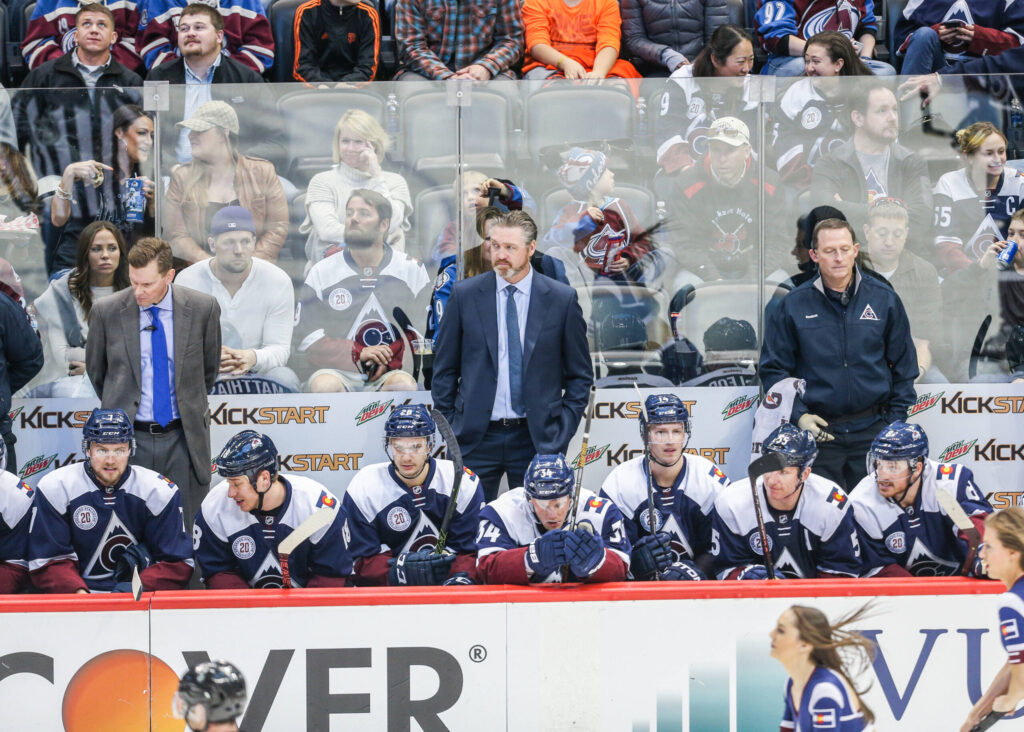
April 03, 2016: Colorado Avalanche head coach Patrick Roy stands behind the team during the third period intermission in a NHL, Eishockey Herren, USA matchup between the Colorado Avalanche and the St. Louis Blues at the Pepsi Center Arena Denver CO, Scott D Stivason/Cal Media Copyright: xScottxDxStivasonx
April 03, 2016: Colorado Avalanche head coach Patrick Roy stands behind the team during the third period intermission in a NHL, Eishockey Herren, USA matchup between the Colorado Avalanche and the St. Louis Blues at the Pepsi Center Arena Denver CO, Scott D Stivason/Cal Media Copyright: xScottxDxStivasonx
Let's understand this with an example of the Pittsburgh Penguins, who are set to be one of the teams benefiting from the raise. They will likely enter the new salary cap era with a large amount of financial flexibility, which puts them in a strong position compared to many other NHL teams.
According to PuckPedia, the Penguins have around $45.8 million in available cap space. This means they will have enough money under the salary cap to make big roster changes without worrying about financial restrictions.
Even if the Pittsburgh Penguins sign Evgeni Malkin, Egor Chinakhov, and Arturs Silovs to new contracts, they will still likely have more than $30 million in cap space for other moves.
For contending teams, the higher salary cap gives more space to keep their core players. In recent years, teams often traded or lost key players because they could not afford them under the cap.
Now the cap has increased to $104 million, so teams have more room to extend contracts for both star players and depth players. This helps teams stay stable and keep the same core group together.
All in all, the league's revenue has grown in recent years, so teams will now have more money to spend on players.
Benefits to Players, Contract Management, and Important Dates To Know for NHL Signings
Not just teams, the new cap will also positively impact players. The top players will now receive $20M+, and star players’ contracts will also be expensive.
However, the increased cap also raises the stakes for contract management. While teams have more money, poor long-term deals can still limit flexibility in the future.
The NHL offseason starts with the Entry Draft on June 26–27 in Buffalo, where teams pick new young players. Free agency opens July 1 at 12 p.m. ET, allowing unrestricted free agents to sign new contracts. Salary arbitration deadlines on July 5 help settle restricted free agent deals quickly.
Before the season even starts, many teams and players are already happy with the salary cap increase. The plan of some of the rebuilding teams will now have to spend more because the minimum limit (floor) is higher. Contending teams will find it easier to keep their star players.
Free agency and trade activity will also increase because teams now have more money to spend. Overall, the cap spike creates a more flexible, aggressive NHL market. We will have to see what happens in the offseason.
Follow NHL Fan Central for more
Written by

Kapil Manghnani
Edited by

Souvik Roy